Best Methods for Removing Oil Stains from Garage Floors
Motor oil stains are among the most persistent https://goldcoastpressurecleaningexperts.com.au/concrete-cleaning/ eyesores on residential concrete surfaces. For homeowners across the Gold Coast, high humidity, coastal salt air, and sudden temperature shifts can cause concrete to expand and contract, drawing spilled petroleum fluids deeper into porous driveways and garage slabs. Leaving these stains untreated not only damages your property's aesthetic appeal but can also degrade the concrete matrix over time. Applying the correct remediation techniques ensures your garage floor remains clean, safe, and structurally sound.
Effective Approaches for Fresh Spills Versus Cured Stains
The age of the stain dictates the appropriate removal technique. Fresh motor oil remains near the surface, whereas older stains chemically bond with the microscopic pores of unsealed concrete.
1. Rapid Absorption for Recent Spills
When an active leak or spill occurs, immediate containment is crucial to stop downward capillary action. Avoid washing the fresh oil with a hose, as this spreads the hydrocarbon footprint and risks washing oil into Gold Coast stormwater systems. Instead, cover the liquid entirely with clay cat litter, dry sand, or specialized absorbent compounds. Allow thirty minutes for the material to wick the oil before sweeping it into a heavy-duty disposal bag.
2. Microbial and Enzymatic Cleaners
Modern maintenance standards in 2026 heavily prioritize environmentally responsible formulations. Enzymatic and bioremediating degreasers utilize specialized bacterial cultures that break down complex hydrocarbons into water and carbon dioxide. These solutions work exceptionally well on porous concrete because the microscopic enzymes penetrate the same capillary channels that the oil traveled through, clearing the stain from within without using harsh acids.
3. Chemical Poultices for Deeply Ingrained Stains
For dried, long-standing oil patches, standard scrubbing often fails to lift the bottom layers of residue. A poultice combines an absorbent powder (such as diatomaceous earth, talc, or baking soda) with an industrial solvent or heavy-duty degreaser. The paste is smoothed over the stain and allowed to dry completely. As the liquid solvent evaporates upwards, it pulls the dissolved oil out of the concrete and locks it into the dry powder.
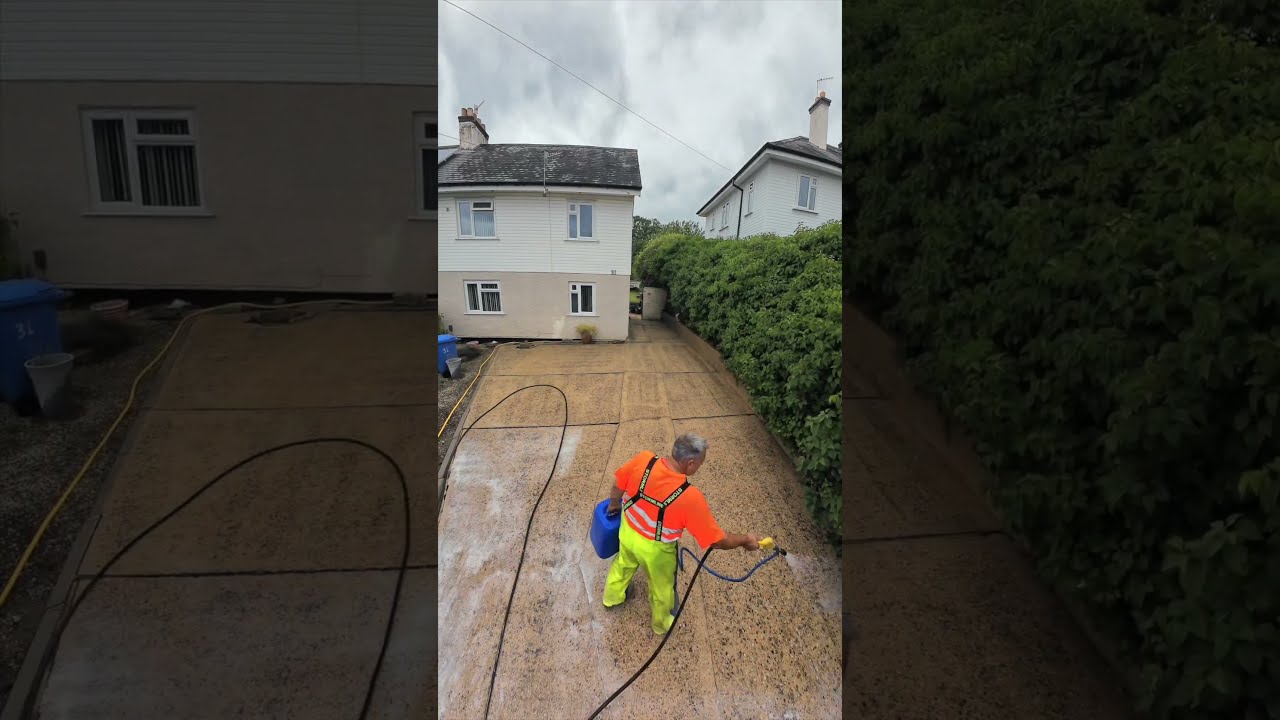
Step-by-Step Procedure for Stubborn Concrete Stains
To achieve the highest rate of success on tough garage floor stains, follow this systematic multi-stage restoration method:
- Clear and dry the surface: Sweep away loose dirt, sand, and debris from around the perimeter of the oil spot to ensure chemical cleaners make direct contact with the concrete pores.
- Apply concentrated degreaser: Pour an alkaline concrete degreaser directly over the stain, allowing it to dwell for 15 to 20 minutes without letting it dry out completely.
- Agitate vigorously: Scrub the area firmly using a stiff-bristled polypropylene brush. Avoid wire brushes, which can abrade the concrete finish and leave rust-prone metal fragments behind.
- Absorb the emulsified fluid: Blot up the slurry with shop towels or an absorbent compound rather than rinsing it straight across the garage slab.
- Perform a warm water rinse: Wash down the area using warm water and mild detergent, utilizing a wet-dry vacuum to capture the wastewater.
Preventative Strategies and Professional Maintenance
Once your garage floor is thoroughly cleaned, taking measures to protect the concrete prevents future fluid leaks from penetrating the surface.
- Apply a penetrating silane-siloxane or polyaspartic sealer: Sealing raw concrete creates a hydrophobic and oleophobic barrier that stops engine fluids from sinking below the surface layer.
- Utilize neoprene parking mats: Place heavy-duty drip trays or oil-absorbing mats beneath older vehicles, lawn equipment, and marine watercraft.
- Conduct regular pH-neutral washing: Routine cleaning prevents coastal grit and road grime from abrading your protective coatings.
Professional High-Pressure Cleaning Solutions
Extensive or historic oil saturations often require commercial-grade hot water pressure washing and industrial extraction units. Professional concrete restoration services operate equipment capable of heating water beyond 90 degrees Celsius, which melts and liquefies coagulated engine oil for rapid extraction. Furthermore, certified technicians ensure all wash water is vacuum-recovered and treated according to local environmental regulations, protecting the delicate waterways and coastal canals of the Gold Coast.
Gold Coast Pressure Cleaning Experts
Factory 2/60 Newheath Dr, Arundel QLD 4214
(07) 5240 9985